
Top PMHNP Specialties in 2026
Psychiatric Mental Health Nurse Practitioners (PMHNPs) play a vital role in diagnosing and treating a wide range of mental health conditions, including mood disorders, anxiety disorders, and challenges related to substance use and addiction. Beyond general practice, PMHNPs can also specialize in specific patient populations or unique clinical settings such as geriatric psychiatry, addiction recovery, military mental health, or crisis and disaster response.

From my own experience working in mental health nursing, I’ve seen how choosing the right specialty can shape your confidence, growth, and impact as a provider. Some areas demand deep emotional resilience, while others require strong communication or crisis-management skills. Finding your place in this field can be incredibly rewarding when your passion aligns with the needs of your patients.
In this guide, we’ll explore the top six PMHNP specialties for 2026, including salary expectations, job outlook, and the skills needed to excel in each field helping you identify the path that aligns with your passion and professional goals.
Top Six PMHNP Subspecialties
1. Geriatric PMHNP
Average Salary: $118,644 (ZipRecruiter)
Job Outlook: 35% growth — much faster than average (BLS)
Who This Specialty Is Best For:
This path is ideal for PMHNPs who are passionate about supporting older adults and addressing the unique emotional, cognitive, and psychological challenges that arise with aging.
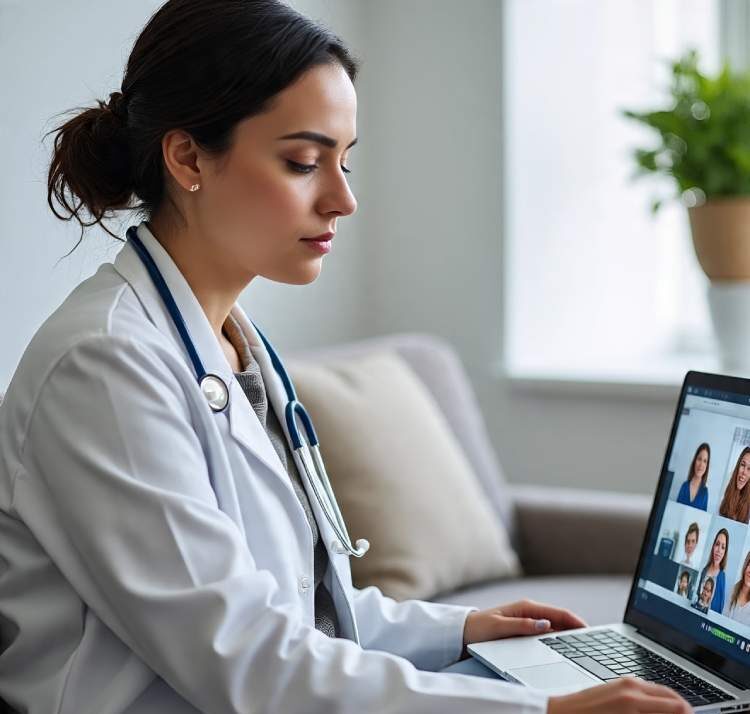
Geriatric PMHNPs receive advanced training to care for patients age 65 and older. Their work often involves managing depression, memory disorders, chronic mental health conditions, and end-of-life concerns while supporting families through major transitions.
How to Become a Geriatric PMHNP:
Earn a BSN from an accredited nursing program
Pass the NCLEX-RN and become a licensed RN
Complete an accredited PMHNP graduate program
Pass the national PMHNP certification exam
Gain hands-on experience working with older adults
2. Addiction Disorder PMHNP
Average Salary: $130,295 (ZipRecruiter)
Job Outlook: 35% growth — much faster than average (BLS)
Who This Specialty Is Best For:
This specialty is an excellent fit for nurses who feel called to help individuals struggling with substance use disorders. With millions of Americans affected by addiction each year, demand for addiction-focused providers continues to rise, making this one of the most stable and meaningful PMHNP career paths.
Addiction Disorder PMHNPs specialize in assessing, diagnosing, and treating patients with mental health conditions linked to substance use. They use a combination of medication management, therapeutic interventions, and long-term recovery support to guide patients through rehabilitation and relapse prevention.
How to Become an Addiction Disorder PMHNP:
Earn a BSN from an accredited nursing program
Pass the NCLEX-RN to become a registered nurse
Complete an accredited PMHNP graduate program
Pass the PMHNP national certification exam
Obtain a subspecialty certification from the Addictions Nursing Certification Board
3. Child and Adolescent PMHNP
Average Salary: $130,295 (ZipRecruiter)
Job Outlook: 35% growth — much faster than average (BLS)
Who This Specialty Is Best For:
This path is ideal for PMHNPs who feel called to support children and teenagers facing mental health challenges. Providers in this specialty not only treat young patients but may also work closely with families and caregivers, since a child’s environment often plays a major role in their wellbeing.
Child and Adolescent PMHNPs specialize in diagnosing and managing conditions such as anxiety disorders, ADHD, depression, behavioral issues, and trauma-related concerns in pediatric populations. Family-centered care is common in this role, especially when home dynamics influence the child’s mental health.
How to Become a Child & Adolescent PMHNP:
Earn a BSN from an accredited nursing program
Pass the NCLEX-RN and obtain RN licensure
Complete an accredited PMHNP graduate program
Pass the national PMHNP certification exam
Obtain specialty certification from the Pediatric Nursing Certification Board (PNCB)
4. Forensic PMHNP
Average Salary: $130,295 (ZipRecruiter)
Job Outlook: 35% growth — much faster than average (BLS)
Who This Specialty Is Best For:
This specialty is a great fit for those with a strong sense of justice, excellent attention to detail, and advanced critical-thinking skills. It’s ideal for PMHNPs who want to work at the intersection of mental health and the legal system.
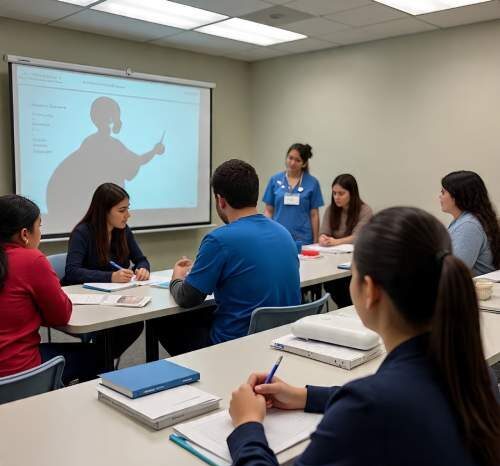
Forensic PMHNPs provide comprehensive psychiatric care to individuals involved in the criminal justice system—including victims of violence, incarcerated individuals, and others navigating legal challenges. Their responsibilities may include mental health evaluations, treatment planning, evidence documentation, and collaboration with attorneys, court officials, and law enforcement.
How to Become a Forensic PMHNP:
Earn a BSN from an accredited nursing program
Pass the NCLEX-RN to become a registered nurse
Complete an accredited PMHNP graduate program
Pass the PMHNP national certification exam
Complete specialized forensic nursing training
Earn certification through the International Association of Forensic Nurses (IAFN) or the Forensic Nursing Certification Board (FNCB)
Consider joining the Academy of Forensic Nursing (AFN) for ongoing professional development
5. Disaster Care PMHNP
Average Salary: $246,854 (ZipRecruiter)
Job Outlook: 35% growth — much faster than average (BLS)
Who This Specialty Is Best For:
This specialty is well-suited for PMHNPs who feel called to support communities facing crisis and are willing to travel to areas affected by natural disasters.
Disaster Care PMHNPs work with individuals who have endured events such as hurricanes, tornadoes, wildfires, or other large-scale emergencies. Their role includes helping survivors process grief and trauma, cope with the loss of loved ones or property, and rebuild emotional resilience. These providers often collaborate with relief teams to connect patients with community resources, crisis counseling, and long-term recovery support.
How to Become a Disaster Care PMHNP:
Earn a BSN from an accredited nursing program
Pass the NCLEX-RN to become a licensed RN
Complete an accredited PMHNP graduate program
Pass the national PMHNP certification exam
Volunteer with disaster relief or humanitarian organizations to gain experience
Complete specialized disaster response courses through FEMA, International Trauma Life Support, or wilderness medicine programs
Consider additional NP training tracks focused on disaster preparedness or global disaster response
6. Military PMHNP
Average Salary: $131,000 (Glassdoor)
Job Outlook: 35% growth — much faster than average (BLS)
Who This Specialty Is Best For:
This specialty is ideal for PMHNPs who have a desire to serve the country by supporting service members, veterans, and their families.
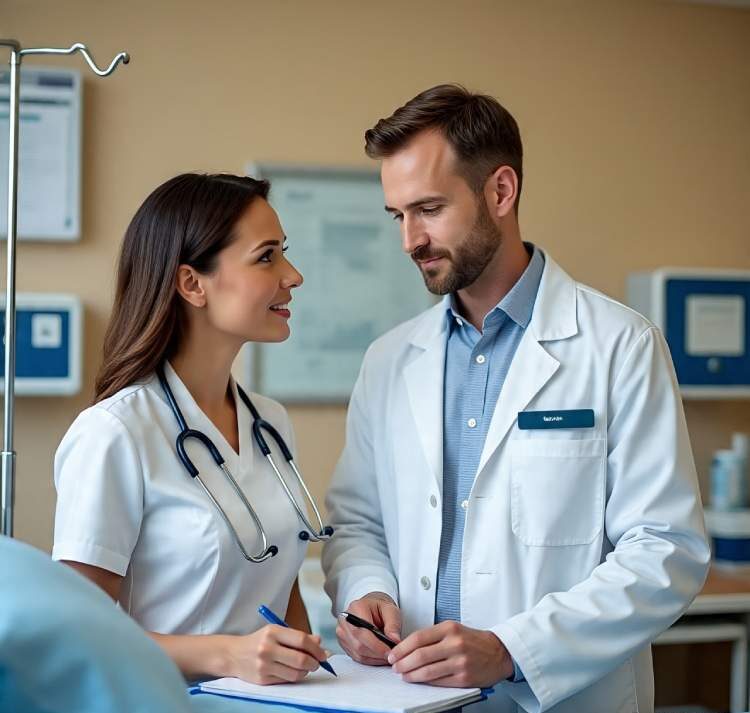
Military PMHNPs receive advanced training to work with individuals affected by the psychological impact of military service. They commonly care for patients experiencing conditions such as PTSD, anxiety, depression, and trauma related to combat exposure. Most work in VA hospitals, military medical centers, or outpatient clinics, though some may serve abroad depending on their military branch and assignment.
How to Become a Military PMHNP:
Earn a BSN from an accredited nursing program
Pass the NCLEX-RN to become a registered nurse
Complete an accredited PMHNP graduate program
Pass the national PMHNP certification exam
Meet military-specific requirements, including age, background checks, and physical fitness standards
Connect with a military recruiter and choose a branch to join
Complete officer training before beginning your PMHNP role
Conclusion
Choosing the right PMHNP specialty can shape your entire career, from the patients you serve to the impact you make every day. Whether you’re passionate about supporting children, older adults, individuals battling addiction, or those affected by disasters or military service, each specialty offers meaningful opportunities to improve mental health outcomes in 2026 and beyond.
As demand for psychiatric care continues to rise, PMHNPs with specialized training are becoming even more valuable in hospitals, outpatient clinics, community programs, and crisis settings. By aligning your career path with your strengths, interests, and long-term goals, you can build a rewarding future while providing life-changing care to the populations who need it most.
Additional Resources