Breakthrough Cancer Care in US 2025: Life-Changing Treatments Giving New Hope to Patients in the US
Breakthrough Cancer Care in US 2025


In recent years, cancer care has entered a new era of transformation—one defined by innovation, compassion, and hope. Breakthrough Cancer Care in US 2025 is no longer just about managing the disease; it’s about redefining how we fight it.
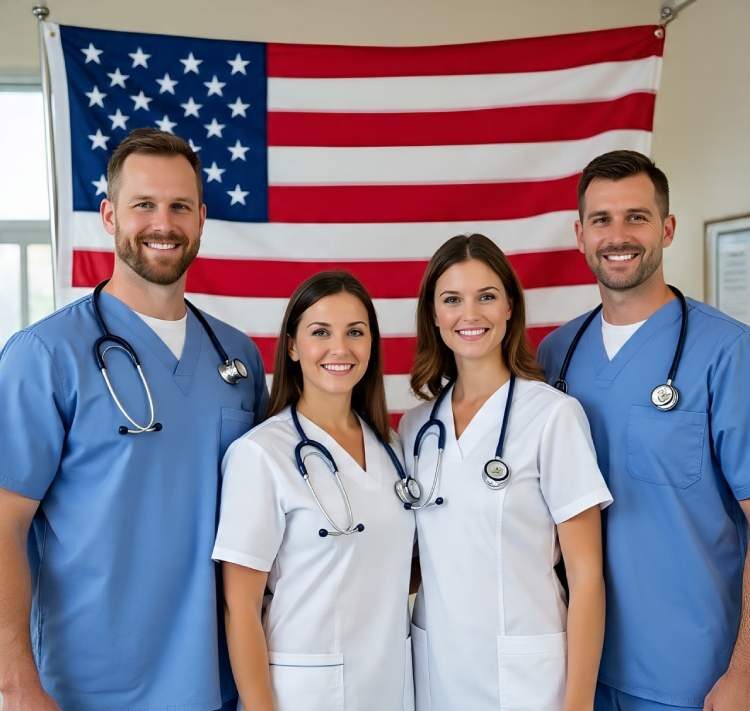
Across the United States, hospitals and research centers are introducing life-changing treatments that are extending lives, improving outcomes, and restoring hope to patients and their families. From cutting-edge immunotherapies to AI-driven precision medicine, these advancements are proving that a cancer diagnosis today does not carry the same fear and uncertainty it once did.
I still remember when my aunt was diagnosed with breast cancer back in 2014. At that time, treatment options were limited, side effects were brutal, and survival rates were far less encouraging. Fast forward to today, and she’s not only in remission but living her best life—thanks to newer, targeted therapies that weren’t even available a decade ago. Her story is one of millions that illustrate just how far we’ve come in Breakthrough Cancer Care in US 2025. These remarkable advancements have turned what used to be a battle of endurance into a journey of healing guided by science, technology, and personalized care.
One of the biggest changes in Breakthrough Cancer Care in US 2025 is the shift toward individualized treatment plans. Oncologists now use genetic profiling to understand the unique makeup of each patient’s cancer, allowing for therapies that directly target the root cause rather than simply suppressing symptoms. In addition, robotic-assisted surgeries, improved radiation precision, and the rise of immunotherapies have all contributed to higher success rates and faster recovery times.
But beyond the medical technology, there’s something even more inspiring happening—patients are feeling empowered. Education, digital health tools, and community support are giving people the confidence to take control of their health journeys. As a result, Breakthrough Cancer Care in US 2025 isn’t just about science; it’s about humanity—about giving every patient the chance to live longer, stronger, and with renewed hope.
This year, the future of cancer care is not a distant dream—it’s happening right now in hospitals, labs, and treatment centers across the United States.
Breakthrough: What is the easiest process to move spouse and children as a Nurse from Nigeria 2025
The Evolution of Cancer Care: From Traditional Treatments to Modern Breakthroughs
The journey to Breakthrough Cancer Care in US 2025 didn’t happen overnight—it’s the result of decades of relentless research, scientific collaboration, and patient advocacy. Just twenty years ago, cancer care in the United States was largely focused on chemotherapy, radiation, and surgery. These traditional methods, while life-saving for many, often came with severe side effects and limited personalization. Patients were treated with a “one-size-fits-all” approach that didn’t account for the unique biology of their disease.
Today, that has changed dramatically. The evolution of cancer care has been fueled by technological innovation, genomic research, and the growing field of immunotherapy. Breakthrough Cancer Care in US 2025 represents the pinnacle of this evolution—an era where treatments are smarter, safer, and far more effective. Instead of merely attacking cancer cells, modern therapies work with the body’s immune system to identify and destroy malignant cells naturally.
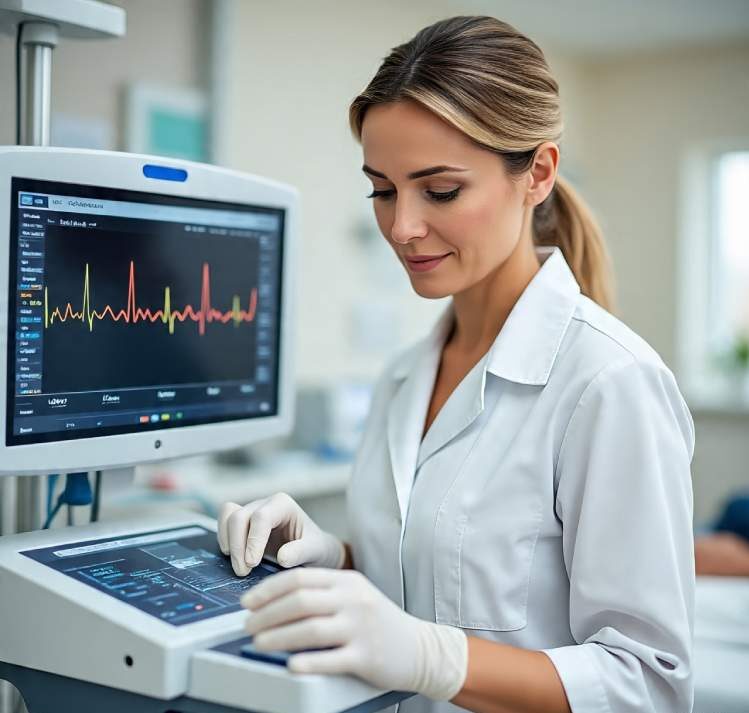
This means fewer complications, quicker recovery, and improved quality of life for patients.
One of the most notable developments has been the rise of precision medicine. Through advanced genetic testing, doctors can now analyze a patient’s DNA to discover mutations driving the cancer’s growth. This insight allows them to design treatment plans that specifically target those mutations. For instance, a lung cancer patient whose tumor carries a certain gene mutation might receive a targeted drug that blocks the mutation’s effect—something that was impossible just a few years ago.
Moreover, artificial intelligence (AI) is playing an increasingly crucial role in modern oncology. Machine learning models can analyze thousands of patient cases to predict which treatments are most likely to succeed for a particular individual. This data-driven approach not only saves time but also helps prevent ineffective therapies, ensuring patients receive the best possible care from the start.
The shift from traditional cancer care to today’s Breakthrough Cancer Care in US 2025 marks a turning point in medical history. It shows how science, when paired with compassion and technology, can transform even the most challenging battles into stories of survival and strength.
Top Life-Changing Cancer Treatments Revolutionizing 2025
As Breakthrough Cancer Care in US 2025 continues to redefine what’s possible, a new generation of treatments is transforming the outlook for millions of patients. These therapies go beyond simply managing cancer—they aim to eliminate it at its source while preserving the patient’s overall health and well-being. From immunotherapy to AI-assisted diagnostics, the latest innovations are proving that cancer care in the US has entered its most hopeful and effective phase yet.
1. Immunotherapy: Training the Body to Fight Back
One of the most powerful advancements in Breakthrough Cancer Care in US 2025 is immunotherapy, which empowers the immune system to recognize and attack cancer cells. Unlike chemotherapy, which affects both healthy and cancerous cells, immunotherapy focuses on teaching the body to fight only the harmful ones. Treatments like checkpoint inhibitors and CAR-T cell therapy have shown remarkable success, even in advanced cancers once thought untreatable. Many US cancer centers now use these therapies as part of standard care, leading to longer remissions and fewer side effects.
2. Precision Medicine and Genetic Profiling
Precision medicine is the heart of Breakthrough Cancer Care in US 2025. By decoding a patient’s genetic blueprint, doctors can create a tailored treatment plan that directly targets cancer-causing mutations. This personalized approach increases effectiveness and reduces unnecessary toxicity. For example, certain breast and lung cancers can now be treated with targeted drugs that block specific genetic pathways, offering hope to patients who previously had limited options.
3. Artificial Intelligence in Early Detection
Early diagnosis saves lives, and AI is making that more accurate than ever before. In 2025, advanced algorithms can analyze mammograms, CT scans, and pathology slides faster and with greater precision than the human eye. Through Breakthrough Cancer Care in US 2025, AI-assisted systems are helping doctors detect cancer at earlier stages—often before symptoms even appear. This means treatment can start sooner, dramatically improving survival rates.
4. Proton Therapy and Minimally Invasive Surgeries
For many patients, surgery and radiation remain vital parts of treatment. However, new techniques like proton therapy deliver high-dose radiation precisely to tumors while sparing surrounding tissues. Robotic-assisted and minimally invasive surgeries are also improving recovery times and outcomes. These procedures, now widely available across leading US hospitals, are cornerstones of modern Breakthrough Cancer Care in US 2025.
5. Integrative and Supportive Therapies
Beyond the science, holistic approaches such as nutrition therapy, mental health support, and pain management are becoming integral parts of cancer recovery. The best US cancer centers now combine cutting-edge medicine with emotional and psychological care, helping patients heal both physically and mentally.
The result of all these innovations is clear—Breakthrough Cancer Care in US 2025 is not just extending lives but restoring hope. The future of cancer care in the US is more personalized, precise, and compassionate than ever before.
Best Cancer Care Centers in the US 2025: Where Innovation Meets Compassion
Behind the success of Breakthrough Cancer Care in US 2025 are world-class cancer centers that combine advanced technology with deeply human care.
These institutions have become global leaders, not only for their groundbreaking research but also for their unwavering commitment to patient well-being. They are the places where innovation meets compassion, and where patients find real hope amid one of life’s toughest challenges.
1. MD Anderson Cancer Center – Houston, Texas
For decades, MD Anderson has stood at the forefront of cancer research and treatment. In 2025, it continues to lead in Breakthrough Cancer Care in US 2025 through its pioneering work in immunotherapy, precision medicine, and early detection. The center’s “Moon Shots Program” has made significant strides in reducing cancer mortality by targeting specific cancer types with specialized teams of experts. MD Anderson is also renowned for its holistic approach—addressing not just physical treatment but also emotional and psychological healing.
2. Mayo Clinic Cancer Center – Rochester, Minnesota
The Mayo Clinic remains a beacon of hope for patients seeking personalized care backed by research-driven results. Its integration of AI-driven diagnostics and genomic testing allows doctors to tailor treatments with unmatched accuracy. As part of Breakthrough Cancer Care in US 2025, Mayo Clinic focuses heavily on patient experience—ensuring every patient receives individualized attention, clear communication, and compassionate care from start to finish.
3. Memorial Sloan Kettering Cancer Center – New York City, New York
Memorial Sloan Kettering (MSK) is synonymous with excellence in cancer research and innovation. In 2025, MSK continues to lead in Breakthrough Cancer Care in US 2025 with revolutionary developments in targeted therapy and immuno-oncology. Their extensive clinical trial network gives patients access to the latest experimental treatments long before they become mainstream. The center’s integration of technology, research, and patient support makes it a model for comprehensive cancer care worldwide.
4. Cleveland Clinic Taussig Cancer Institute – Cleveland, Ohio
The Cleveland Clinic has redefined multidisciplinary cancer treatment. Its team-based approach—where oncologists, surgeons, and radiologists collaborate in real-time—ensures every patient benefits from collective expertise. The institute’s use of next-generation imaging and minimally invasive surgeries reflects the very essence of Breakthrough Cancer Care in US 2025, prioritizing precision, safety, and recovery.
5. Johns Hopkins Sidney Kimmel Comprehensive Cancer Center – Baltimore, Maryland
Johns Hopkins continues to make headlines for its leadership in cancer genetics and immunotherapy. Their researchers were among the first to explore how DNA repair mechanisms influence cancer behavior, leading to targeted treatments now saving thousands of lives. With cutting-edge facilities and compassionate patient programs, Johns Hopkins is helping shape the next era of Breakthrough Cancer Care in US 2025.
These leading US cancer centers demonstrate that the fight against cancer is not just a medical mission—it’s a movement powered by innovation, empathy, and dedication. Each year, more patients are beating the odds, living longer, and experiencing renewed hope, thanks to the collective impact of Breakthrough Cancer Care in US 2025.
Urgent Update: Nursing Shortage in the US 2025 – What’s Driving It and the Best Solutions
The Future of Cancer Care: What’s Next Beyond 2025
While Breakthrough Cancer Care in US 2025 has already reshaped how we understand, treat, and live with cancer, experts agree that the most remarkable advances are yet to come.

The future of oncology is set to be even more personal, predictive, and preventative—driven by technologies that go beyond treating cancer to stopping it before it starts. This forward momentum is not just about medical progress; it’s about hope for millions of patients and families who can now look toward tomorrow with confidence rather than fear.
1. Predictive and Preventative Oncology
By 2030, cancer care will focus heavily on prediction and prevention. Using artificial intelligence, wearable health devices, and continuous genetic monitoring, doctors will soon be able to identify cancer risks years before symptoms appear. Early detection programs will evolve from annual screenings to real-time monitoring, where a smartwatch or biosensor could alert a patient and their doctor about potential cancerous changes in the body. This level of insight will transform the next phase of Breakthrough Cancer Care in US 2025 into an era of true prevention.
2. Personalized Cancer Vaccines
Researchers are already developing personalized cancer vaccines that “train” the immune system to recognize and destroy specific cancer cells. By analyzing a patient’s tumor DNA, scientists can design a custom vaccine that prevents recurrence or eliminates microscopic cancer cells left after treatment. Early trials in melanoma and pancreatic cancer show promising results, marking the beginning of a revolutionary shift in cancer prevention and cure. These vaccines are expected to play a major role in post-2025 advancements in Breakthrough Cancer Care in the US.
3. Nanotechnology and Smart Drug Delivery
Imagine cancer drugs that can locate and destroy cancer cells without harming surrounding tissues—that’s the goal of nanotechnology in cancer treatment. Tiny nanoparticles are being engineered to deliver chemotherapy or gene therapy directly to tumors with pinpoint precision. This innovation minimizes side effects, maximizes effectiveness, and could become standard practice within the next decade, enhancing the precision-driven foundation laid by Breakthrough Cancer Care in US 2025.
4. Integrative and Holistic Care Models
As medical treatments advance, so does the understanding that healing is both physical and emotional. Future cancer care will emphasize mental health, nutrition, and lifestyle modification as essential elements of recovery. Hospitals and clinics across the US are expected to integrate wellness programs, mental health therapy, and spiritual support into standard oncology care, ensuring that every patient is treated as a whole person—not just a diagnosis.
5. Global Collaboration and Data Sharing
The next frontier of Breakthrough Cancer Care in US 2025 will involve unprecedented global cooperation. With vast data networks connecting hospitals and researchers worldwide, discoveries made in one country will instantly inform treatment strategies elsewhere. This open-data approach will speed up drug approvals, improve access to innovative therapies, and create a truly global fight against cancer.
The future beyond 2025 looks brighter than ever. With continuous innovation, compassionate care, and a united global effort, cancer is slowly losing its power to define or destroy lives. What was once a symbol of fear is steadily becoming a story of courage, survival, and science working hand-in-hand with humanity.
Urgent Update: Nursing Shortage in the US 2025 – What’s Driving It and the Best Solutions
Conclusion: A New Era of Hope and Healing
The story of Breakthrough Cancer Care in US 2025 is not just about science—it’s about people. It’s about the millions of patients who once faced the unimaginable but now have real reasons to hope again. It’s about families who no longer see cancer as a death sentence but as a challenge that can be met with courage, innovation, and compassionate care. Most importantly, it’s about how far we’ve come—and how far we’re still determined to go.
In just a decade, the landscape of cancer treatment in the United States has been transformed. What used to rely heavily on harsh chemotherapy and generalized radiation has evolved into a precise, patient-centered system powered by immunotherapy, AI, and genetic discovery. These aren’t just medical terms; they represent second chances, longer lives, and stories of survival that inspire others. From the research labs of Johns Hopkins to the compassionate wards of Mayo Clinic, Breakthrough Cancer Care in US 2025 is redefining what’s possible in medicine.
But progress doesn’t stop here. The breakthroughs of today are the stepping stones for tomorrow’s cures. Continued research, patient advocacy, and awareness will keep driving innovation forward. Each clinical trial, each donation to cancer research, and each conversation about prevention contributes to a world where fewer people suffer and more people survive.
If you or someone you love is battling cancer, know that you are not alone—and that the medical community is fighting alongside you with more powerful tools than ever before. Take advantage of the resources available: talk to your healthcare team about the newest treatment options, explore clinical trials, and connect with support organizations that specialize in helping patients navigate their journey.
Breakthrough Cancer Care in US 2025 stands as proof that humanity’s greatest strength lies not only in discovery but in compassion. The future of cancer care is brighter, stronger, and more hopeful than ever—and that future begins now, one patient, one innovation, and one success story at a time.
Resources and Support for Patients and Families
Accessing Breakthrough Cancer Care in US 2025 is not just about treatment—it’s about finding the right guidance, emotional support, and reliable information at every step. Cancer can be overwhelming, but having the right resources can make all the difference. Whether you’re newly diagnosed, in active treatment, or supporting a loved one, these trusted organizations and tools can help you navigate the journey with confidence and strength.
1. American Cancer Society (ACS)
The American Cancer Society remains one of the most comprehensive sources of cancer-related information in the US. Through their helpline (1-800-227-2345) and website www.cancer.org, patients can access everything from financial aid resources to transportation assistance for treatment. The ACS also provides free lodging through its “Hope Lodge” network—an invaluable resource for families traveling for care.
2. National Cancer Institute (NCI)
A key contributor to Breakthrough Cancer Care in US 2025, the NCI offers an extensive database of ongoing clinical trials, treatment guidelines, and cancer prevention research. Their website www.cancer.gov helps patients locate NCI-designated cancer centers, learn about new therapies, and connect with support services nationwide.
3. CancerCare
CancerCare provides free counseling, financial grants, and educational workshops to individuals affected by cancer. Their licensed oncology social workers help patients manage emotional stress, treatment decisions, and daily challenges. Their services—available at www.cancercare.org—align perfectly with the patient-centered approach central to Breakthrough Cancer Care in US 2025.
4. Leukemia & Lymphoma Society (LLS)
For patients dealing with blood cancers, the LLS offers financial support, treatment navigation, and access to groundbreaking research. Their patient assistance programs have become a model for how nonprofit organizations can directly improve access to Breakthrough Cancer Care in the US. Visit www.lls.org to find information on current grants and clinical trials.
5. Patient Advocate Foundation (PAF)
The PAF specializes in helping patients overcome insurance denials, medical debt, and workplace challenges. Their case managers assist in resolving issues that might otherwise delay or prevent access to care. You can reach them at www.patientadvocate.org for free one-on-one help.
6. Online Support Communities and Telehealth Platforms
In 2025, virtual platforms such as Cancer Support Community, HealthUnlocked, and Mayo Clinic Connect offer patients the chance to connect with others sharing similar experiences. These digital communities embody the collaborative spirit of Breakthrough Cancer Care in US 2025, reminding every patient that they are part of a supportive, informed, and hopeful network.





5 Comments